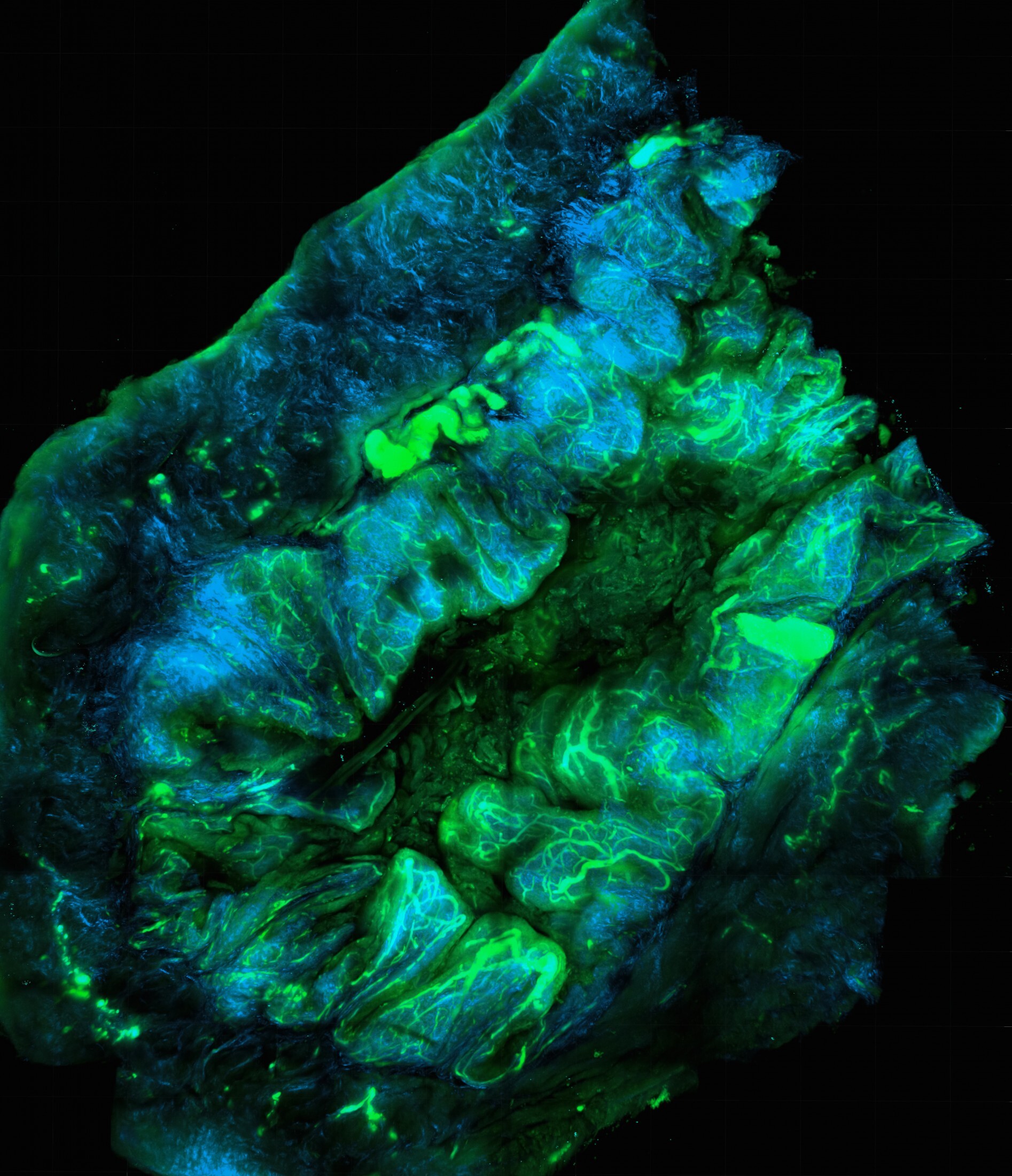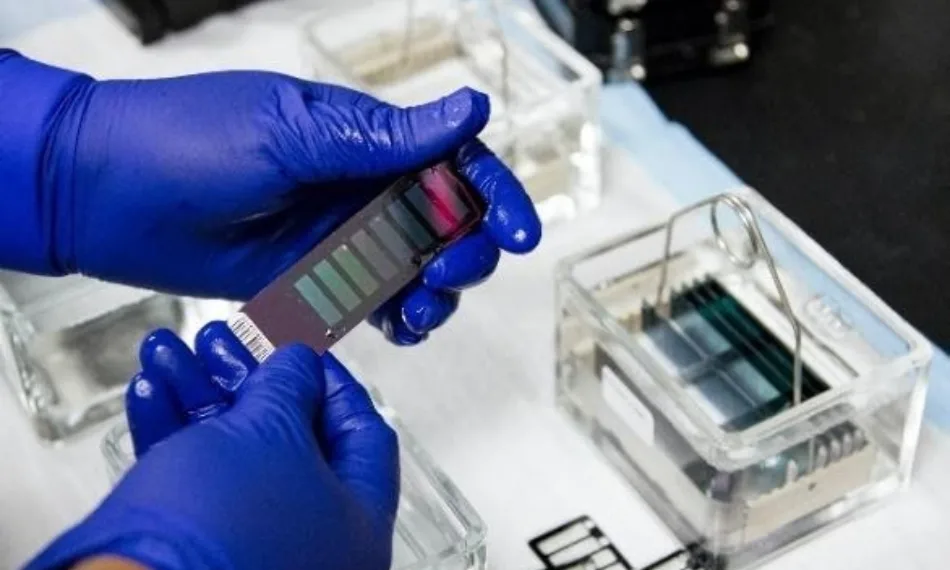
This project aims at synthesizing new metal-containing compounds to solve the problems of currently available technologies. Like in PDT, these new compounds are poorly toxic in the dark, and can be activated upon visible light irradiation, i.e., become toxic and kill cancer cells only at the time and place where light is shone. However, they are activated by light in a completely different manner, as they contain ruthenium, a heavy metal combining photochemical and anticancer properties. Upon replacing the weakly bound chloride ligands of known cytotoxic ruthenium compounds by strongly bound sulfur ligands, the DNA- and protein-binding ability of the ruthenium compounds is lowered, which will lower their toxicity in the dark. By shining light onto the ruthenium-enriched cancer cells photochemical cleavage of the Ru-S bond will take place, thus detaching the metal complex from the sulfur ligand and allowing it for binding to biological molecules. Thus, the ruthenium prodrug will be transformed inside cancer cells into a highly toxic molecule that will kill the cells. The projects consists in synthetizing new ruthenium-containing molecules, and studying their photochemical properties. For 2-semester research training projects biological studies can also be included.
- Number of placements available: 1 per semester.
Prerequisites
- High level (3rd or 4th year) undergraduate student
- Minimum GPA 3.4
- Basic knowledge (sophomore level) in general chemistry, inorganic chemistry, organic chemistry and basic spectroscopy.
Important note:
Students must remain registered as an undergraduate student at their U.S. or Canadian home institution while participating in the program. The student's home institution must complete the Learning Agreement after acceptance into a project, even if credits will not be transferred to that institution. Transfer of credits is decided by the students' home institution.
Submitting an application, does not guarantee that the student will be offered a placement. The research projects are also available to our domestic degree students; therefore, projects may already be full at the time of applying. Final decision on your admission is solely taken by the Research Supervisor at the host institution.
Faculty Department
Faculty of Sciences / Leiden Institute of Chemistry.
The Leiden Institute of Chemistry (LIC) is organized around two major research areas: Chemical Biology Energy & Sustainability Our research group contributes to the latter. In the area Energy & Sustainability research is focused on chemical reactions of importance to the sustainable and efficient production and storage of energy. Please check our website for information on our research activities relating to catalysis and surface science.